
India’s property market is having one of those quiet-but-interesting moments. Not flashy. Not dramatic. Just steady movement in the right places. For buyers and investors, that’s usually a good sign.
Rising incomes, new infrastructure, and changing work patterns are reshaping where people want to live, and where money is flowing. Some cities are obvious choices. Others might surprise you.
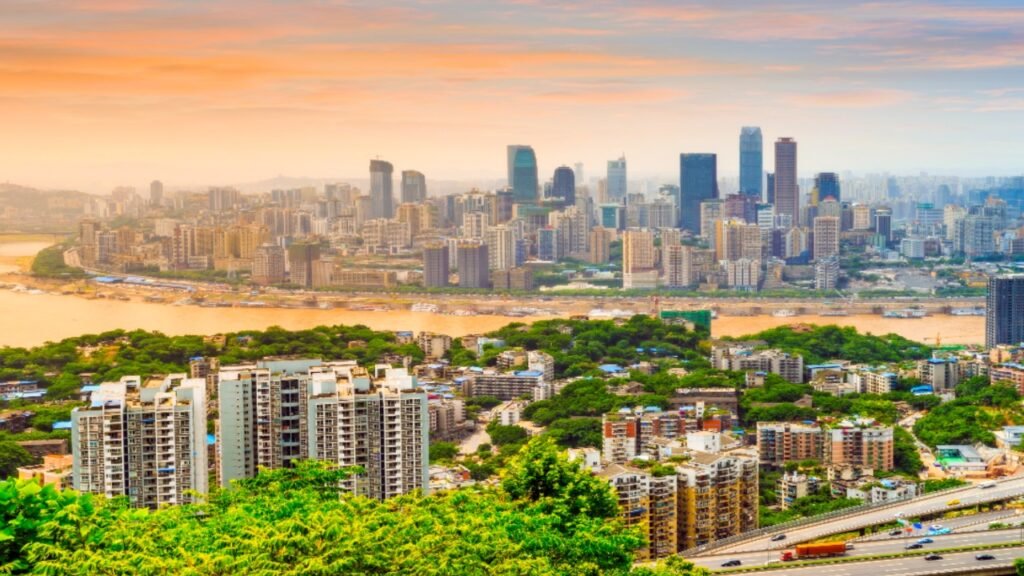
Here’s a closer look at the Indian cities drawing serious attention from property investors right now, and why they matter.
Mumbai: Expensive, Yes. Predictable, Also Yes.
Mumbai never really leaves the conversation. Prices are high, land is limited, and demand refuses to cool off. That combination keeps long-term investors interested.
Micro-markets like Thane, Navi Mumbai, and parts of the Western suburbs are still seeing healthy absorption. Rental demand stays strong thanks to finance, entertainment, and corporate jobs. It’s not a city for quick flips, but for stability? Hard to beat.
Bengaluru: Still Running on Tech Power
Bengaluru has been “the next big thing” for years, and it hasn’t slowed much. Tech parks, startup culture, and constant migration keep housing demand alive.
North Bengaluru, Whitefield, and Sarjapur Road continue to attract buyers, especially for mid-range and rental-focused investments. Returns may not spike overnight, but the consistency is what keeps investors coming back.
Hyderabad: The Balanced Performer
Hyderabad feels like the city that quietly gets things right. Infrastructure growth, reasonable prices compared to other metros, and strong IT expansion all play their part.
Areas like Gachibowli, Kokapet, and Hitech City are seeing steady appreciation. For investors who want a mix of affordability and future upside, Hyderabad checks a lot of boxes.
Pune: End-User Driven, Investor Friendly
Pune benefits from a strong education ecosystem and a growing IT and manufacturing base. The city’s property market is largely end-user driven, which helps keep speculation in check.
Hinjewadi, Wakad, and Kharadi remain popular for both buyers and tenants. Rental yields aren’t sky-high, but they’re reliable, and that counts.
Chennai: Steady, Not Loud
Chennai doesn’t make headlines often, but its real estate market has depth. Automobile manufacturing, IT corridors, and port-led industries provide long-term employment stability.
OMR, Porur, and GST Road continue to attract attention. Appreciation is gradual, but the market tends to hold its ground during downturns. That quiet resilience matters more than people admit.
Kolkata: Value Play with Long-Term Potential
Kolkata is often overlooked, which is exactly why some investors are paying closer attention. Entry prices are still relatively affordable, especially compared to other metros.
Southern and Eastern corridors, along with infrastructure-led developments, are seeing renewed interest. It’s not a fast-growth market, but for patient investors, the value proposition is hard to ignore.
Tier-2 Cities: Where the Next Cycle May Begin
Cities like Ahmedabad, Coimbatore, Indore, Kochi, and Jaipur are increasingly part of serious investment discussions. Improved connectivity, industrial growth, and government-backed development are changing the math.
Returns here depend heavily on location selection. Get it right, and the upside can be meaningful. Get it wrong, and liquidity becomes an issue. That’s the trade-off.
So, Is Real Estate Still Worth It Going Forward?
That question keeps coming up, and fairly so. Interest rates, regulation, and changing buyer behavior all influence outcomes. If you’re weighing the bigger picture, this deep dive on Is Real Estate a Good Investment in 2026? breaks it down in practical terms.
Short answer? Real estate still works, but only when backed by research, patience, and realistic expectations. Blind optimism doesn’t go far anymore.
Property investment in India isn’t about chasing hype right now. It’s about understanding micro-markets, watching infrastructure timelines, and choosing cities with real economic engines behind them.
Some investors want safety. Others want growth. A few want both. The good news is—India still offers room for all three approaches. The trick is knowing where to look.