
Kolkata’s property market has been moving in an interesting direction lately. Not dramatic, not chaotic just steady shifts that are slowly reshaping where people want to live. A few years ago, most homebuyers were focused on established areas like Ballygunge, Salt Lake, or Alipore. Now the conversation is changing.
Developers, investors, and even first-time buyers are looking slightly beyond the traditional zones. And honestly, that’s where some of the most promising opportunities are beginning to show up.
Here are a few areas that are quietly turning into Kolkata’s next real estate hotspots.
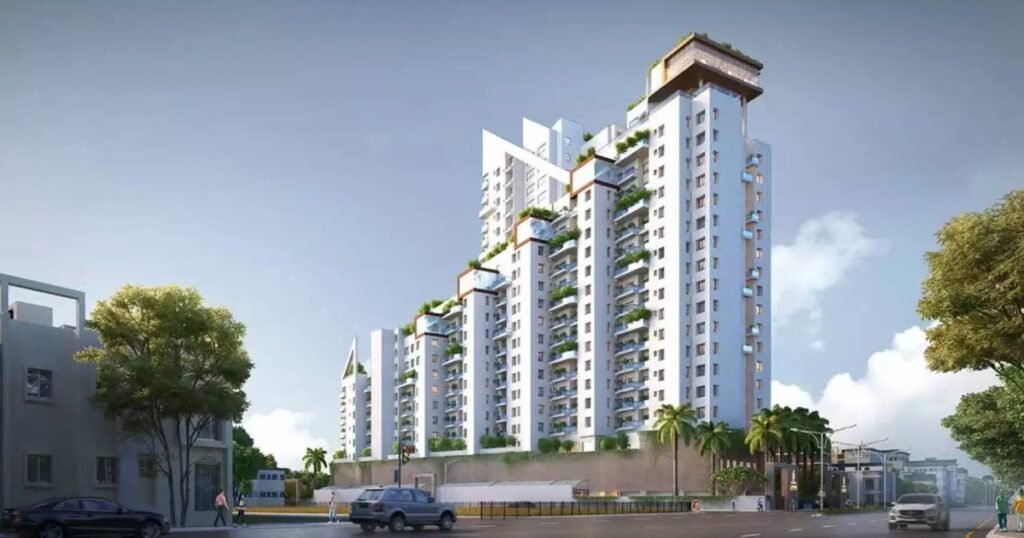
Joka: Metro Connectivity Changing Everything
For years, Joka sat on the edge of the city’s property map. It was known, but not exactly buzzing with activity. That’s starting to change, mainly because of the Joka-Esplanade Metro corridor.
Infrastructure tends to do that. Once reliable public transport arrives, property interest follows pretty quickly.
Developers have already begun launching residential projects around the area, many offering spacious apartments at prices still lower than central Kolkata. For buyers who want a modern home without paying central-city premiums, Joka suddenly looks practical.
And investors? They’re watching closely. Improved connectivity often pushes property values up over time.
New Alipore Extension & Behala: Old Neighborhoods Getting a New Push
Behala has always been densely populated, but large-scale real estate development there was relatively limited for a long time. Now the situation is shifting.
The metro extension toward Joka is one of the biggest reasons. Once completed, commuting from Behala to central Kolkata will become far easier than it used to be.
That simple change is attracting new residential projects, particularly mid-range and premium apartments. Some developers are betting that families who work in central Kolkata will prefer larger homes here rather than smaller apartments in the city core.
It’s not a sudden boom, but momentum is clearly building.
Rajarhat & New Town: Still Growing, Still Relevant
Rajarhat and New Town aren’t exactly “new” hotspots anymore. But the growth there hasn’t slowed down either.
If anything, the areas continue to evolve.
The presence of IT parks, corporate offices, international schools, and planned infrastructure keeps demand steady. Many professionals working in the tech sector prefer living nearby, which naturally supports the housing market.
Another factor is planning. Compared to older parts of Kolkata, New Town offers wider roads, better zoning, and more organized residential complexes.
That kind of urban design appeals to modern buyers, especially younger professionals.
Southern Corridor: Tollygunge to Baruipur
The southern stretch of Kolkata is also seeing a quiet expansion in residential development.
Areas along the EM Bypass extension and the southern rail corridor toward Narendrapur, Sonarpur, and Baruipur are attracting interest because land prices remain relatively affordable. Developers see room for large housing projects there, something that’s harder to do inside the older city limits.
For buyers, the appeal is simple: more space, greener surroundings, and lower entry prices.
Of course, infrastructure development will play a big role in how quickly these areas grow. But the early signs are already there.
Why These Areas Are Gaining Attention
A few patterns explain why these locations are emerging as real estate hotspots:
- Metro connectivity expanding across the city
- Limited land availability in central Kolkata
- Demand for larger homes after the pandemic
- Growing IT and business hubs around New Town and Rajarhat
Put all of that together, and the market naturally starts moving outward.
A Market That’s Expanding, Not Shifting
Kolkata’s real estate market isn’t abandoning its traditional neighborhoods. Ballygunge, Alipore, and Salt Lake will always remain premium locations.
But the city is growing. And when a city grows, new residential pockets start forming around the edges.
Right now, places like Joka, Behala, Rajarhat, and the southern corridor seem to be at the center of that expansion. Whether they become the next big investment zones is something only time will confirm—but the momentum is hard to ignore.
For buyers willing to look slightly beyond the usual areas, the opportunities might already be there.